
Foundation Repair in
the Rio Grande
Valley, TX
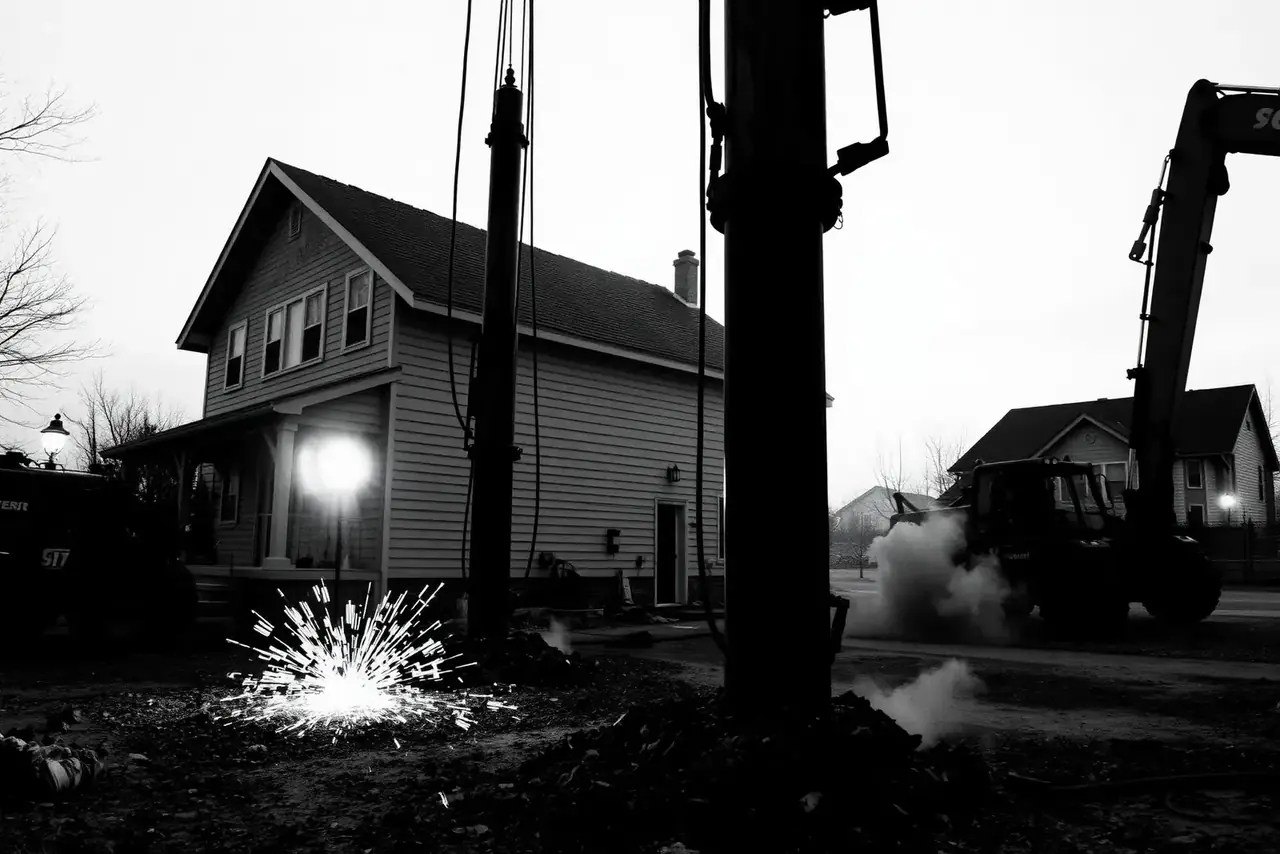
Action House Leveling delivers permanent house foundation repair in the Rio Grande Valley — 4,500–5,000 PSI reinforced concrete piers (Grade 60 steel rebar inside) and precision hydraulic leveling, anchored deep under the RGV clay.
We repair house foundations and home foundations of every type across Mercedes, McAllen, Weslaco, Harlingen, Brownsville, and surrounding areas — slab, pier & beam, and mobile homes.
Free InspectionEngineered foundation repair for RGV soil.
The Rio Grande Valley sits on shifting expansive clay, and a moving slab takes a house foundation with it. Hairline cracks become structural failures fast. Our reinforced concrete pier home foundation repair doesn't patch — it anchors.
Lifetime Warranty
Every reinforced concrete pier we install carries a transferable lifetime warranty. Sell your home with confidence.
4,500–5,000 PSI Concrete Piers
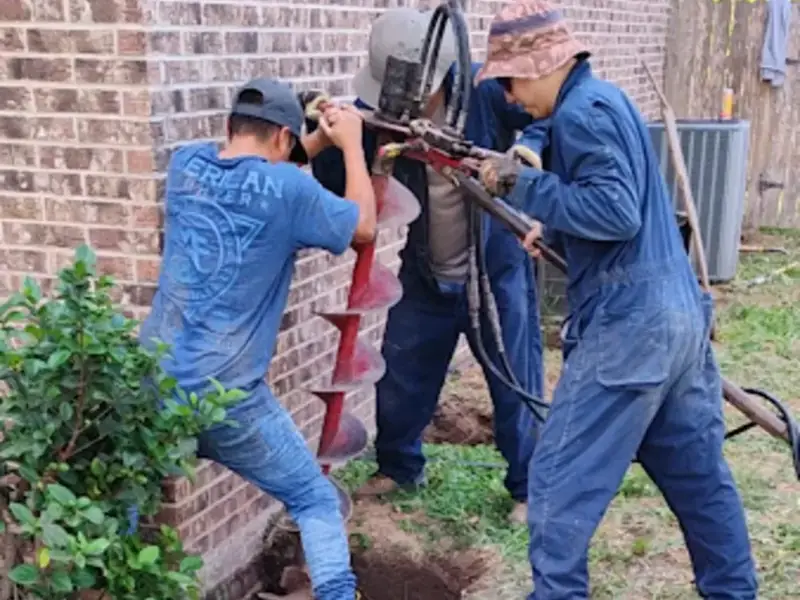
Reinforced with a Grade 60 (60,000 PSI) steel rebar cage and driven 20–30 ft past expansive clay. Concrete doesn't rely on a sacrificial coating like bare, galvanized, or epoxy-coated steel piers do in RGV soil.
Laser-Verified Lift
Hydraulic recovery monitored to 1/16-inch precision. Doors close, floors level, peace of mind.
Foundation Repair
Services.
Permanent foundation repair in the RGV for slab and pier & beam homes. Need to lift or re-level an older home instead? See our House Leveling RGV service.
House Leveling RGV
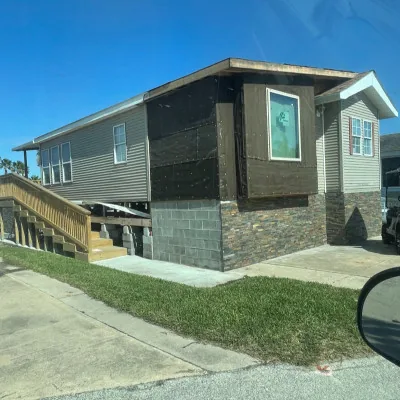
Pier & beam house leveling for the Valley's older homes. Rotted sills replaced, beams reinforced, sloping floors corrected — serving Mercedes, Harlingen, and the rest of the RGV.
House Leveling DetailsOur foundation repair process.
Free Inspection
Onsite elevation reading and full report — no obligation, no pressure.
Engineered Plan
Custom pier layout based on your home's load and the soil beneath it.
Precision Lift
Synchronized hydraulic recovery with laser monitoring.
Lifetime Warranty
Documented results, transferable warranty, and follow-up support.
Methods we use for foundation repair.
Every RGV foundation job is engineered around the home, the soil, and how far it has moved. Here are the proven techniques our crews use across the Rio Grande Valley — no steel piers, no shortcuts.
Reinforced Concrete Piers
4,500–5,000 PSI concrete cast around a Grade 60 steel rebar cage, driven 20–30 ft past expansive clay to load-bearing strata. Built to outlast steel in RGV soil.
Synchronized Hydraulic Jacking
Multiple hydraulic jacks lift the structure together in 1/8-inch increments — slow, even, and monitored to prevent new cracking in walls or trim.
Laser Elevation Mapping
Digital manometer and laser readings across the entire home produce a topographic map of exactly how the foundation has moved.
Steel Shimming
Permanent galvanized steel shims set the final elevation between beams and concrete piers — they don't rot, crush, or migrate over time.
Sill & Beam Repair
On pier-and-beam homes, rotted sills and sagging beams are replaced with treated lumber before the lift — you can't level a home on members that are already failing.
Mudjacking & Polyurethane Lifting
Sunken interior slab sections raised by injecting grout or high-density expanding foam underneath. No demolition, same-day cure.
Signs you need foundation repair.
In the Rio Grande Valley, foundation problems rarely appear overnight — they creep in. If you're seeing any of these signs, it's time to book a free foundation repair inspection.
Cracks in walls & brick
Stair-step cracks in exterior brick, or diagonal cracks above doors and windows — classic signs of slab movement.
Sticking doors & windows
Doors that won't latch, windows that jam, or frames that look out of square — the house is shifting around them.
Sloping or uneven floors
A marble that rolls on its own, or visible dips across a room, means the foundation is no longer level.
Gaps at trim & baseboards
Separation between crown molding, baseboards, or cabinets and the wall is a red flag for settlement.
Cracked slab or tile
Visible cracks in concrete slab floors or repeated cracking in tile grout lines point to foundation stress.
Exterior gaps & separation
Gaps between brick and windows, separating chimneys, or pulling away porches — the foundation is moving.
Why foundations shift in the Rio Grande Valley.
The RGV is built on expansive clay soils that swell when wet and shrink when dry. Combined with our extreme heat, heavy rain cycles, and high water tables near the river, homes here face some of the harshest foundation conditions in Texas.
Expansive Clay Soil
Valley clay can swell several inches after heavy rain and pull back just as hard when it dries — lifting and dropping your slab with it.
Drought & Deluge Cycles
Months of dry heat followed by tropical storms create brutal wet/dry swings that crack slabs and twist pier & beam frames.
Poor Drainage
Flat RGV lots and heavy runoff push water against foundations, saturating soil on one side of the home and not the other.
Tree Roots & Plumbing Leaks
Mesquite and ebony roots pull moisture from under slabs. Hidden plumbing leaks do the opposite — both lead to uneven movement.
Foundation repair across the entire RGV.
Headquartered in Mercedes, TX. Crews dispatched daily across Hidalgo, Cameron, and Willacy counties — serving every city in the Rio Grande Valley.
Alamo, Combes, Granjeno, Hidalgo, La Feria, La Villa, Los Fresnos, Lyford, Port Isabel, Primera, Progreso, Rancho Viejo, Rio Hondo, Santa Rosa, Sebastian.
Foundation repair RGV — cost, options, and what to expect.
How much does house foundation repair cost in the RGV?
House foundation repair cost in the Rio Grande Valley typically runs $400–$700 per reinforced concrete pier. Most slab homes need 6–14 piers depending on settlement and home size. We provide a free on-site home foundation inspection and a written quote — no obligation.
Where can I find the best house foundation repair near me?
Action House Leveling is family-owned in Mercedes, TX with 20+ years stabilizing house foundations and home foundations across the RGV — McAllen, Weslaco, Harlingen, Brownsville, Pharr, Edinburg, San Benito, and every city in between. Every pier carries a lifetime transferable warranty.
Do you handle home foundation repair in the Rio Grande Valley?
Yes — residential home foundation repair RGV-wide is our specialty. We work on both slab and pier & beam houses using reinforced concrete piers driven past the expansive clay layer, then synchronized hydraulic lift to bring the house foundation back to elevation.
What are the signs my house foundation needs repair?
Diagonal cracks above doors and windows, sticking doors, sloping or bouncy floors, gaps between brick and trim, and cracks in slab corners. The RGV's expansive clay makes these home foundation issues especially common — schedule a free inspection if you spot any.